

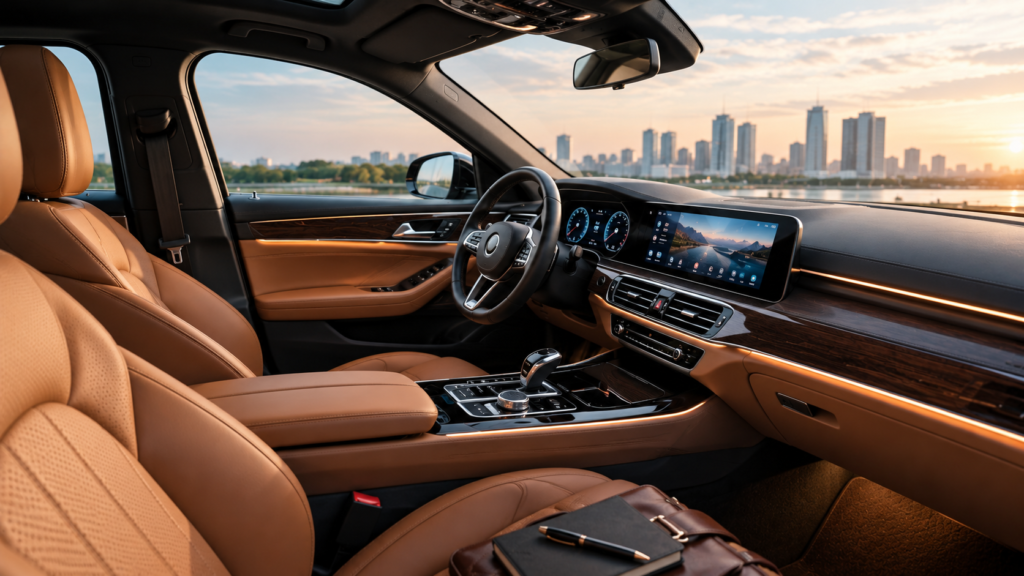
Your car is where many everyday moments happen: the morning commute, school drop-offs, weekend outings, and the drive home after a demanding day. The interior shapes how those journeys feel. A thoughtfully designed cabin can make your time on the road more comfortable, organised, and personal.
If you are searching for car interior conversion Chennai, start by considering how you use your vehicle every day. Creating a luxury car interior begins with understanding what you need from that space. The colours, seating, materials, and finishing details should work together around your routine. Here is how to plan an interior that looks refined and feels right for everyday living.
Before choosing materials or exploring design ideas, think about how you use your vehicle. A person who drives long distances will have different priorities from someone who mainly travels with family.
Consider who travels with you, what you carry, and how much time you spend inside the car. Identify the small frustrations you experience regularly. Perhaps your seats feel uncomfortable, your belongings lack a proper place, or your upholstery is difficult to maintain.
These observations create a useful starting point for meaningful customisation.
Seats are among the most noticeable features of a car interior, both visually and physically. Their appearance matters, but everyday comfort deserves equal attention.
Assess the support, cushioning, and available adjustments before deciding on new upholstery. Notice how you feel after a typical journey, rather than judging comfort during a quick sit inside the vehicle.
Speak with an experienced automotive interior specialist about suitable options. Any proposed changes should remain compatible with the original seat functions. Remember to consider rear passengers, especially if family members regularly travel with you.
A material should feel appealing and fit the way you use your car. When comparing upholstery options, ask about their care requirements, suitability for regular use, and recommended cleaning methods.
Request physical samples instead of relying entirely on photographs. Touch the surfaces and examine them beside your existing dashboard and door panels.
For a busy family vehicle, practical maintenance may influence your choice as much as appearance. If you enjoy a detailed cleaning routine, you may be comfortable choosing materials that require additional attention.
Colour gives your cabin its character. Tan can create a warm atmosphere, charcoal offers a restrained appearance, and cream introduces a lighter visual feel. The right choice depends on your preferences and the vehicle’s existing finishes.
Choose a main colour and one complementary accent. Introduce the accent through stitching, piping, or selected panels to create a coordinated design.
Check samples in daylight and under the cabin lights. Also ask how easily everyday marks will show and how they should be cleaned. A colour scheme should remain enjoyable beyond the first impression.
An organised cabin feels more comfortable to use. Phones, charging cables, sunglasses, water bottles, and bags all need convenient places.
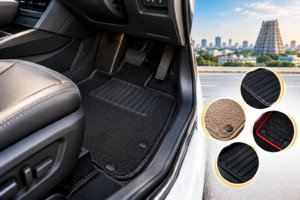
Start by reviewing the storage already available. Sometimes, a carefully selected organiser or a tidier cable arrangement can improve the space without major changes. Give equal attention to car interior flooring, choosing a finish that suits everyday use and is easy to clean.
Plan around your actual belongings. If you carry work equipment, consider where it can be stored securely. If you travel with children, think about practical access to their essentials. Keep storage additions compatible with normal seating, controls, and passenger access.
Useful technology should make familiar tasks easier. Before adding accessories, identify what your existing setup does well and where it falls short.
You might want a more convenient charging arrangement, simpler access to navigation, or improved entertainment for passengers. Discuss compatibility and installation requirements before choosing equipment.
Ask for a demonstration whenever possible. Features that seem impressive in a description may feel less convenient during regular use. Focus your budget on improvements you expect to appreciate frequently.
The most memorable interiors often have a consistent design language. Stitching, trim, and upholstery should feel connected throughout the cabin.
Personalisation can be subtle. A preferred stitch colour, a carefully chosen texture, or a small embroidered detail can make the space feel distinctive.
Before approving the design, review the elements together. Ask whether each addition supports the overall appearance. Leaving some surfaces simple gives your chosen details room to stand out and helps maintain a balanced finish.
Set a budget that prioritises seating comfort, suitable materials, and careful workmanship. Request a detailed quotation and discuss completion time, aftercare, and what the work includes.
Ask to see examples of completed interiors, paying attention to stitching, panel fit, and finishing around edges.
A successful luxury car interior should continue to serve you after the excitement of its makeover fades. When every decision reflects your habits and preferences, your cabin becomes a space you enjoy returning to, wherever the day takes you.


Where premium materials meet expert craftsmanship.
WhatsApp us