

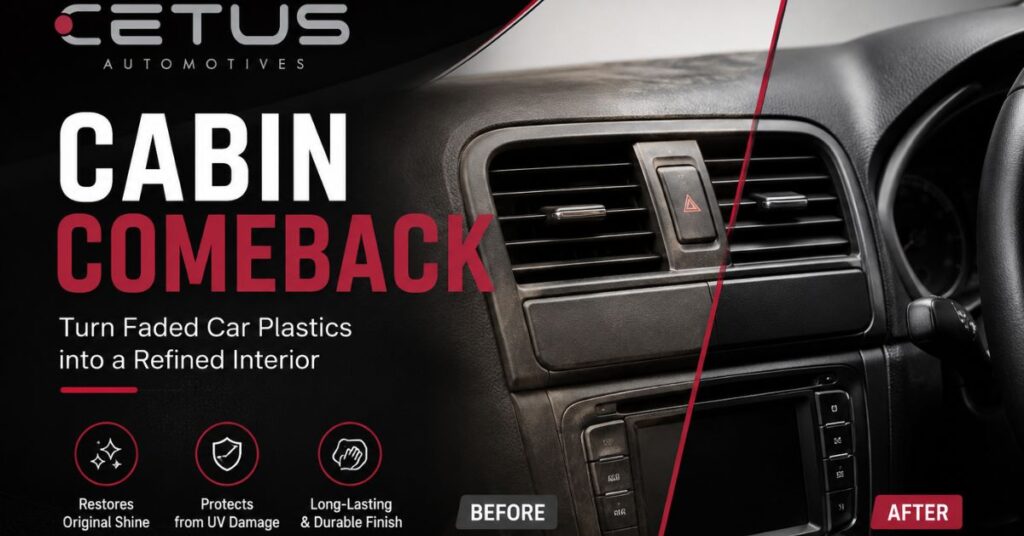
A car interior can lose its original appeal long before the vehicle itself starts looking old. One of the most common reasons is faded, scratched, or dull plastic surfaces. Dashboard panels, door trims, centre consoles, handles, and other plastic components are constantly exposed to sunlight, heat, dust, cleaning products, and everyday contact. Over time, these surfaces can become discoloured and make an otherwise well-maintained cabin look tired. Using suitable car interior paint can be an effective way to refresh selected plastic surfaces and restore a more consistent appearance.
The good news is that replacing every plastic component is rarely necessary. With the right restoration approach, faded car plastics can regain a cleaner, richer, and more refined appearance. Proper preparation, suitable products, and professional application can improve the overall look of the cabin while helping preserve existing interior components.
Interior plastics experience more wear than many owners realise. Direct sunlight and UV exposure can gradually affect the surface, causing colours to fade and finishes to become uneven. High temperatures inside a parked vehicle can accelerate this process, particularly on dashboards and other exposed areas.
Regular use also contributes to deterioration. Frequent touching of door handles, switches, armrests, and centre-console surfaces can create visible wear. Dust particles may settle into textured plastic, while unsuitable cleaners can leave behind residue or affect the original finish.
In some vehicles, the problem is not severe damage but simply a loss of depth and uniformity. Restoring these surfaces can therefore make a noticeable difference without requiring a complete interior makeover.
Professional plastic restoration focuses on improving the appearance and condition of existing surfaces rather than simply covering them up. Depending on the material and its condition, restoration may help address:
The goal is not to make every component look artificially glossy. A refined interior usually benefits from a finish that looks clean, natural, and consistent with the original design.
One of the most important parts of restoring car plastics is preparation. Applying a dressing or restoration product over dirt, grease, or old residue may provide temporary improvement, but it will not create a durable finish.
The surface should first be inspected and cleaned appropriately. Different plastic textures may require different cleaning methods, especially when dealing with soft-touch coatings, textured trims, or painted plastic components.
After cleaning, the surface needs to be completely dry. Any existing damage should also be assessed before restoration begins. This helps determine whether the panel needs simple conditioning, refinishing, or more extensive treatment.
Not all faded plastics should be treated in the same way. A lightly dull dashboard may only require deep cleaning and conditioning, while heavily faded or scratched trim may need professional refinishing.
Using a product simply because it makes plastic look darker or shinier can sometimes create unwanted results. Excessive gloss can attract dust, produce reflections on certain surfaces, or make the interior look less natural.
A professional approach considers the type of plastic, its texture, colour, level of fading, and location inside the cabin. This makes it easier to achieve an even finish across different interior components.
Although dashboards often receive the most attention, faded plastic can appear throughout the cabin. Door trims, centre consoles, seat bases, pillar trims, storage compartments, glove boxes, and other plastic sections can also show signs of ageing.
Restoring these areas together can create a more consistent appearance. For example, a refreshed dashboard may still look out of place if heavily faded door panels remain untreated. Addressing multiple visible surfaces helps create the impression of a more complete interior upgrade.
There are many interior care products available for vehicle owners, but not every product is suitable for every surface. Household cleaners, strong solvents, excessive heat, or unsuitable coatings can potentially worsen the appearance of interior plastics.
It is also important to avoid aggressive scrubbing on textured or coated surfaces. Once a factory coating has been damaged, restoring the original appearance can become more complicated.
For valuable, heavily worn, or unusual interior materials, professional assessment can be a safer option. Experienced technicians can identify the material and recommend an appropriate restoration method instead of relying on a one-product-fits-all approach.
Interior appearance is influenced by many small details. Clean upholstery, well-maintained flooring, refreshed plastics, and properly restored trims can work together to make a vehicle feel significantly newer.
Plastic restoration can be particularly valuable because these components occupy large visual areas. A faded dashboard or worn centre console can make an otherwise attractive cabin appear aged. Improving those surfaces can create a more balanced and polished interior without replacing everything.
For owners considering broader car customization in Hyderabad, plastic restoration can also complement other upgrades such as custom flooring, seat upholstery, roof lining improvements, and interior detailing.
Restoration should not be viewed as a one-time cosmetic fix. Good maintenance can help preserve the refreshed appearance for longer.
Parking in shaded areas or using suitable sun protection can reduce prolonged UV exposure. Interior surfaces should also be cleaned with products designed specifically for automotive materials. Avoid applying excessive amounts of dressing, as heavy residue can collect dust and create an unwanted greasy appearance.
Regularly removing dust and addressing marks early can also reduce the need for aggressive cleaning later. Simple maintenance is often more effective than waiting until the plastic becomes heavily faded or damaged.
Faded car plastics do not necessarily mean that an interior needs to be completely replaced. With careful inspection, suitable preparation, and the right restoration technique, tired-looking plastic surfaces can become cleaner, more consistent, and visually appealing again. Combining plastic restoration with a professional car noise reduction service can further improve the overall cabin experience by helping create a quieter and more comfortable driving environment.
A successful restoration is about more than making plastic look darker. It is about bringing back a balanced finish that suits the vehicle while preserving the character of the original cabin. For owners who want a noticeable interior refresh without unnecessary replacement, restoring faded plastics can be a practical and worthwhile upgrade.
When combined with other thoughtful interior improvements, refreshed plastics can help transform an aging cabin into a space that feels cleaner, sharper, quieter, and more refined every time you get behind the wheel.




Where premium materials meet expert craftsmanship.
WhatsApp us