

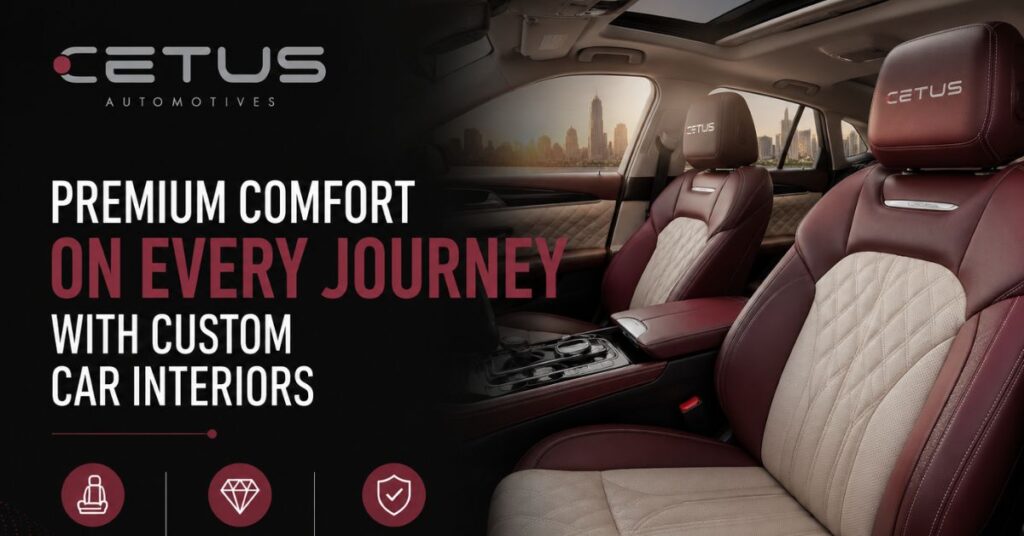
A car is more than a way to travel. For many people, it is a personal space where they spend hours commuting, running errands, travelling with family, or taking long road trips. Because of this, comfort inside the vehicle can have a major impact on the overall driving experience. Standard interiors may provide basic functionality, but a thoughtfully customised interior can make every journey feel more comfortable, refined, and personal.
Custom car interiors are designed around the needs, preferences, and lifestyle of the vehicle owner. From upgraded seating and premium upholstery to improved storage, flooring, lighting, and interior finishes, the right modifications can transform an ordinary cabin into a more enjoyable space. Practical additions such as car back seat table installation can also provide a convenient surface for passengers to work, eat, read, or use devices during longer journeys.
Factory interiors are designed for a broad audience, which means they may not perfectly suit every driver’s expectations. One person may prioritise luxurious seating, while another may want better storage, easier maintenance, or a more sophisticated appearance.
Customisation allows these priorities to be addressed individually. Instead of replacing the entire interior, vehicle owners can focus on specific areas that need improvement. This makes the process more practical and allows the finished interior to reflect personal preferences.
A well-planned upgrade can also create a more cohesive cabin. Matching upholstery, flooring, trims, colours, and accessories can give the interior a polished appearance while improving everyday usability.
Seats have one of the biggest influences on how comfortable a car feels. Drivers and passengers spend most of their journey in contact with the seats, so improvements in cushioning, upholstery, support, and positioning can make a noticeable difference.
Premium upholstery can give seats a fresh appearance while providing a more pleasant surface for daily use. Depending on the vehicle and requirements, owners can explore materials, textures, colours, stitching patterns, and designs that complement the overall interior.
Additional seating upgrades can also focus on convenience. Reclining functions, improved cushioning, ventilation features, and carefully selected seat designs can make longer journeys more relaxing without compromising the practical use of the cabin.
Upholstery is not only about appearance. It contributes to the tactile experience of the vehicle and can influence how easy the interior is to maintain.
A carefully selected upholstery material should suit the vehicle’s usage. Families may prefer options that are easier to clean, while owners focused on luxury may prioritise premium textures and sophisticated finishes. The colour and stitching can also be selected to complement the dashboard, doors, carpets, and other interior elements.
Instead of choosing an upgrade based only on appearance, consider durability, maintenance, climate, passenger usage, and long-term comfort.
The floor receives constant exposure to footwear, dust, spills, and general daily wear. Standard flooring can gradually lose its appearance, particularly in vehicles that are used frequently.
Custom car flooring can provide a cleaner and more coordinated look while making the cabin easier to maintain. Properly designed floor mats and flooring solutions can be shaped around the vehicle’s interior, helping to provide better coverage than generic alternatives.
Material selection is equally important. A good flooring solution should balance appearance, durability, cleaning convenience, and comfort. For people who frequently travel with children, pets, or outdoor equipment, easy-to-clean materials can be especially useful.
Comfort also depends on organisation. Loose belongings can make the cabin feel crowded and inconvenient, particularly during long journeys.
Thoughtfully integrated storage solutions can help keep essential items within reach while maintaining a tidy interior. Depending on the vehicle, options may include customised storage compartments, centre-console improvements, rear-seat accessories, or practical organisers.
The goal is not simply to add more storage. It is to make better use of available space without restricting passenger movement or affecting the original functionality of the vehicle.
One of the biggest advantages of custom interiors is the freedom to create a distinctive look. Owners can select colours, patterns, materials, stitching, trims, and finishes based on their personal taste.
A subtle design may combine neutral upholstery with refined stitching and matching trims. Someone looking for a more expressive interior may prefer contrasting colours, distinctive patterns, or customised detailing.
However, personalisation works best when the different elements complement one another. Too many contrasting finishes can make a cabin appear visually busy. A balanced combination of colours and textures usually creates a more premium result.
A comfortable car interior involves more than upholstery. Temperature, lighting, noise, storage, accessibility, and cabin organisation can all affect the experience.
Interior upgrades can therefore be planned as a complete package. Improved cabin insulation can help create a quieter environment, while suitable lighting can enhance visibility and ambience. Convenient accessories can make everyday activities easier, particularly for passengers who spend significant time in the vehicle.
Thinking about the interior as a complete environment helps ensure that individual upgrades work together rather than appearing disconnected.
The ideal interior upgrade depends on how the vehicle is used. A daily commuter may benefit from durable upholstery, organised storage, comfortable seating, and easy-to-maintain flooring. A family vehicle may require practical materials and additional passenger-focused features.
For luxury-focused owners, premium finishes, sophisticated upholstery, custom detailing, and enhanced seating can create a more exclusive atmosphere. Meanwhile, someone who regularly takes long-distance trips may prioritise ergonomic seating, ventilation, storage, and a quieter cabin.
Before starting the customisation process, identify the areas that affect your everyday driving experience most. This helps ensure that the investment delivers practical value rather than focusing only on visual changes.
Even high-quality materials can produce disappointing results if they are poorly installed. Precise measurements, proper fitting, clean finishing, and attention to the original structure of the vehicle are essential for a professional-looking interior.
Experienced installers can also help identify which modifications are suitable for a particular vehicle. They can recommend materials and designs based on usage while ensuring that upgrades are integrated neatly into the existing cabin.
The best custom interiors should look intentional rather than simply modified. Every element should fit naturally into the vehicle and support both comfort and functionality.
Premium comfort does not always require purchasing a new vehicle. A carefully planned custom interior can transform the way an existing car looks, feels, and functions. Upgraded seating, premium upholstery, custom flooring, practical storage, refined detailing, and comfort-focused accessories can collectively create a cabin that feels more personal and enjoyable. Adding practical features such as a car tray table for back seat can also give passengers a convenient surface for meals, work, reading, or entertainment during longer journeys.
The key is to choose upgrades based on real driving needs rather than trends alone. With the right materials, thoughtful design, and professional installation, a customised car interior can turn everyday travel into a more comfortable, functional, and refined experience.




Where premium materials meet expert craftsmanship.
WhatsApp us