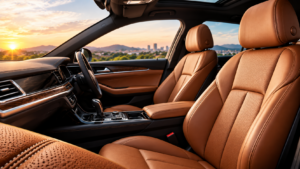


A car interior does more than determine how your vehicle looks. It also influences how comfortable, quiet, and enjoyable every journey feels. During hot weather, seats, dashboards, and enclosed cabin surfaces can become uncomfortable within minutes. At the same time, road noise, vibrations, and outside sounds can make longer drives tiring. Instead of treating these problems separately, a well-planned car interior upgrade can address comfort, insulation, functionality, and appearance together.
A smarter interior upgrade focuses on how the cabin is actually used. From improving seat ventilation with ventilated seats car in India solutions to adding insulation and upgrading interior materials, the right changes can make an everyday vehicle feel noticeably more refined. These upgrades can improve everyday comfort while giving the cabin a more modern and personalised feel without replacing the entire car.
High cabin temperatures can make driving uncomfortable even when the air-conditioning system is working properly. Seats and interior surfaces absorb heat, while direct sunlight through the windows can raise the temperature inside the vehicle. Leather and synthetic upholstery may also feel particularly warm after the car has been parked outdoors.
Noise creates a different type of discomfort. Tyres, road surfaces, wind, engine components, and vibrations can all contribute to cabin noise. On busy roads, constant background sound can make conversations, music, and phone calls harder to enjoy.
These issues are not simply about luxury. A more comfortable and quieter cabin can make daily commuting and long-distance driving feel less tiring.
One of the most useful interior upgrades is improving how the cabin handles heat. Seat ventilation systems can help move air through specially designed seat surfaces, making them more comfortable during hot conditions. This can be especially useful for drivers who spend long hours behind the wheel.
Heat-resistant or better-suited upholstery materials can also make a difference. Choosing materials based on ventilation, durability, maintenance, and climate can be more practical than selecting them purely for appearance.
Window films and other heat-control solutions can complement interior upgrades by reducing the amount of solar heat entering the cabin. However, these should be selected and installed according to applicable local regulations.
A quieter cabin can completely change the driving experience. Sound insulation materials can be applied to suitable areas such as doors, floors, wheel arches, and other sections where road and vibration noise commonly enter the cabin.
The objective is not necessarily to make the vehicle completely silent. Instead, effective insulation aims to reduce unwanted frequencies and vibrations so the interior feels calmer.
A quieter cabin can make conversations easier, improve the listening experience of the audio system, and reduce the need to increase music volume simply to overcome road noise.
Seats are one of the most important parts of the interior because the driver and passengers interact with them throughout every journey. An upgrade can go beyond replacing worn upholstery.
Depending on the vehicle and requirements, improvements may include better cushioning, refreshed upholstery, ventilation, reclining functions, or redesigned seat surfaces. The right combination can provide improved support while giving the cabin a more premium appearance.
Seat upgrades should also preserve practical requirements such as safe seating positions, access to seat controls, and compatibility with existing safety features.
Interior comfort is influenced by more than seats. Flooring and door panels can also contribute to the cabin’s appearance, insulation, and overall feel.
Custom floor mats can provide a cleaner, more tailored appearance while helping protect the original flooring from dirt and daily wear. Meanwhile, carefully selected door materials and insulation treatments can contribute to a more finished interior and help address unwanted vibrations.
Rather than installing individual accessories without a plan, it is better to consider how each component works with the rest of the cabin.
A smarter upgrade is not always the most expensive one. The best materials depend on how the vehicle is used.
For a family car, easy-to-clean and durable upholstery may be more practical. For a premium vehicle, refined textures and carefully matched finishes may be more important. If the car is regularly exposed to high temperatures, material selection should also consider heat resistance and long-term durability.
Think about cleaning requirements, passenger use, sunlight exposure, maintenance, and daily driving conditions before making a decision. This helps prevent an attractive upgrade from becoming difficult to maintain later.
An interior upgrade is an opportunity to improve both function and style. Instead of adding random accessories, consider creating a consistent design across the seats, dashboard accents, door panels, flooring, and other visible areas.
Subtle changes can often create a stronger result than excessive customisation. Matching textures, complementary colours, clean stitching, and practical layouts can give the cabin a more cohesive appearance.
The goal should be an interior that looks better without sacrificing usability.
Every vehicle has different dimensions, materials, electrical systems, seating arrangements, and interior construction. Therefore, an upgrade should begin with an inspection of the existing cabin.
A professional assessment can help identify where heat enters, which areas contribute to unwanted noise, what components are worn, and which upgrades will provide the greatest practical benefit.
This approach also helps avoid unnecessary modifications. Instead of changing everything, you can prioritise the areas that have the biggest effect on comfort.
A vehicle can remain mechanically reliable while its interior starts to feel outdated. Cracked upholstery, worn flooring, faded trim, uncomfortable seats, and excessive cabin noise can make an otherwise useful car feel much older than it is.
A carefully planned interior conversion can refresh these areas and create a more modern environment. By combining heat management, noise reduction, seating improvements, durable materials, and thoughtful styling, an older cabin can gain a noticeably different character.
This is what makes a complete interior upgrade more valuable than simply adding a few decorative accessories.
The most effective car interior upgrade begins with comfort rather than appearance. Consider the problems you experience every day: Does the seat become too hot? Is road noise distracting? Are the materials worn? Does the cabin lack storage or practical features? Once these priorities are clear, upgrades can be selected around real needs.
A well-designed interior should feel comfortable, functional, quiet, and visually balanced. When every modification serves a purpose, the result can feel less like a collection of aftermarket additions and more like a thoughtfully designed cabin.
Beating heat and noise does not always require replacing your vehicle or making extreme modifications. A smarter car interior upgrade can target the areas that have the greatest effect on everyday comfort.
From ventilated seating and suitable upholstery to car sound damping, improved flooring, and cohesive interior styling, the right combination of upgrades can make driving more pleasant in demanding conditions. Effective sound damping can help reduce the impact of road noise and vibrations, while carefully selected interior materials can improve comfort and durability. The key is to focus on practical improvements, choose suitable materials, and plan the interior as one complete environment.
When comfort, noise control, durability, and design are considered together, your car can feel significantly fresher, quieter, and more enjoyable every time you get behind the wheel.
Where premium materials meet expert craftsmanship.
WhatsApp us